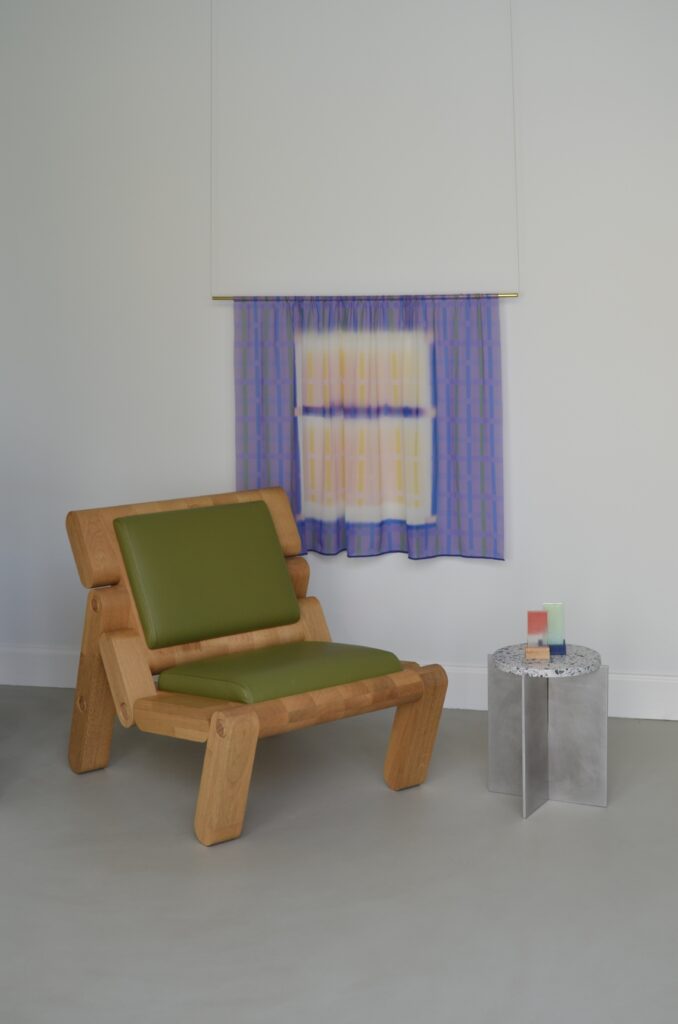
A technical background changes how you look at a piece of furniture before you have even started making it. It shows up first in material selection: not every piece of oak is equal, and knowing why one board will hold and another will move over time is the first decision, long before the design itself.
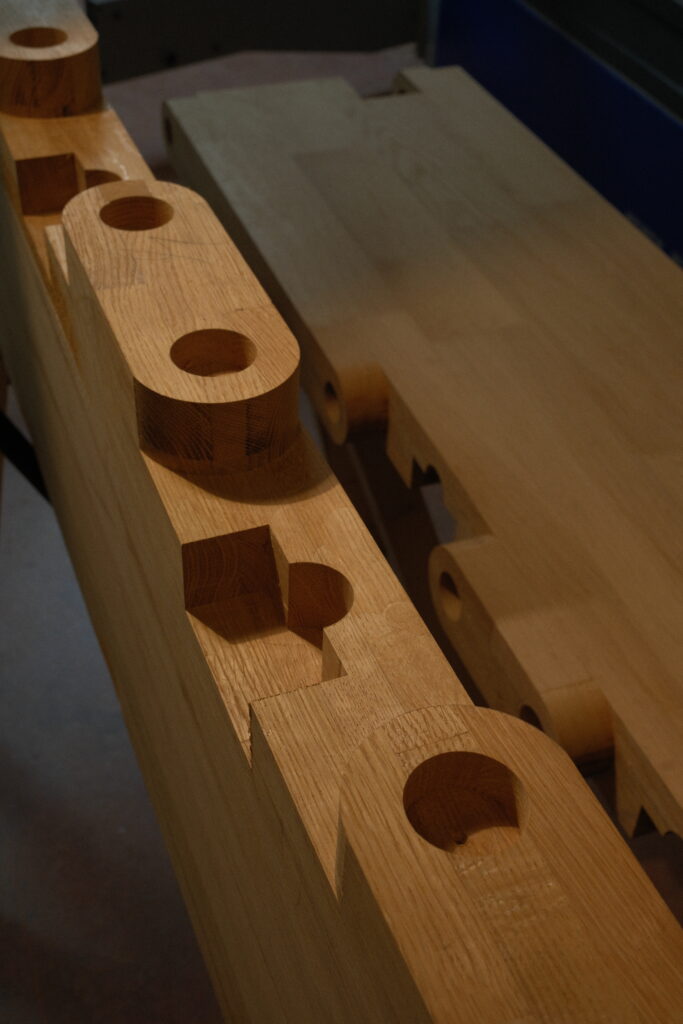
It continues in how the material is applied. Wood keeps working long after it leaves the workshop. It expands, contracts, and settles with the seasons, and a joint or a span that ignores that will fail eventually, no matter how well it is built. Anticipating that movement, rather than fighting it, is where engineering and craftsmanship start to overlap.
The same thinking carries through production. Every method, from how a joint is cut to how a piece is assembled, is chosen for what it does to the piece over time, not only for how it looks on the day it leaves the workshop. And it ends at the finish: the last, most visible layer, held to the same standard as everything underneath it that no one sees.
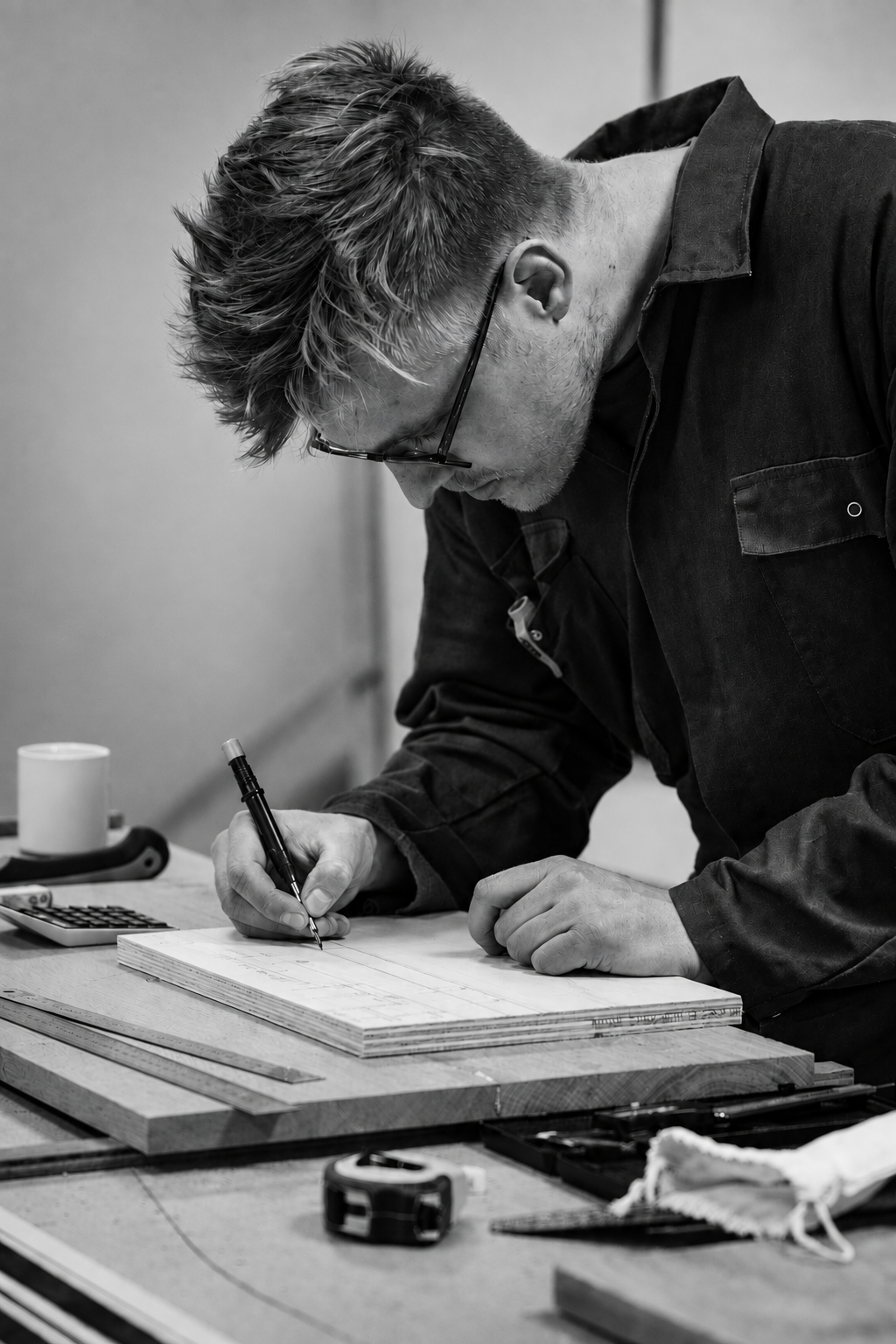
Craftsmanship, in that sense, is not the opposite of engineering. It is engineering applied by hand, at a scale where every decision is still visible.